
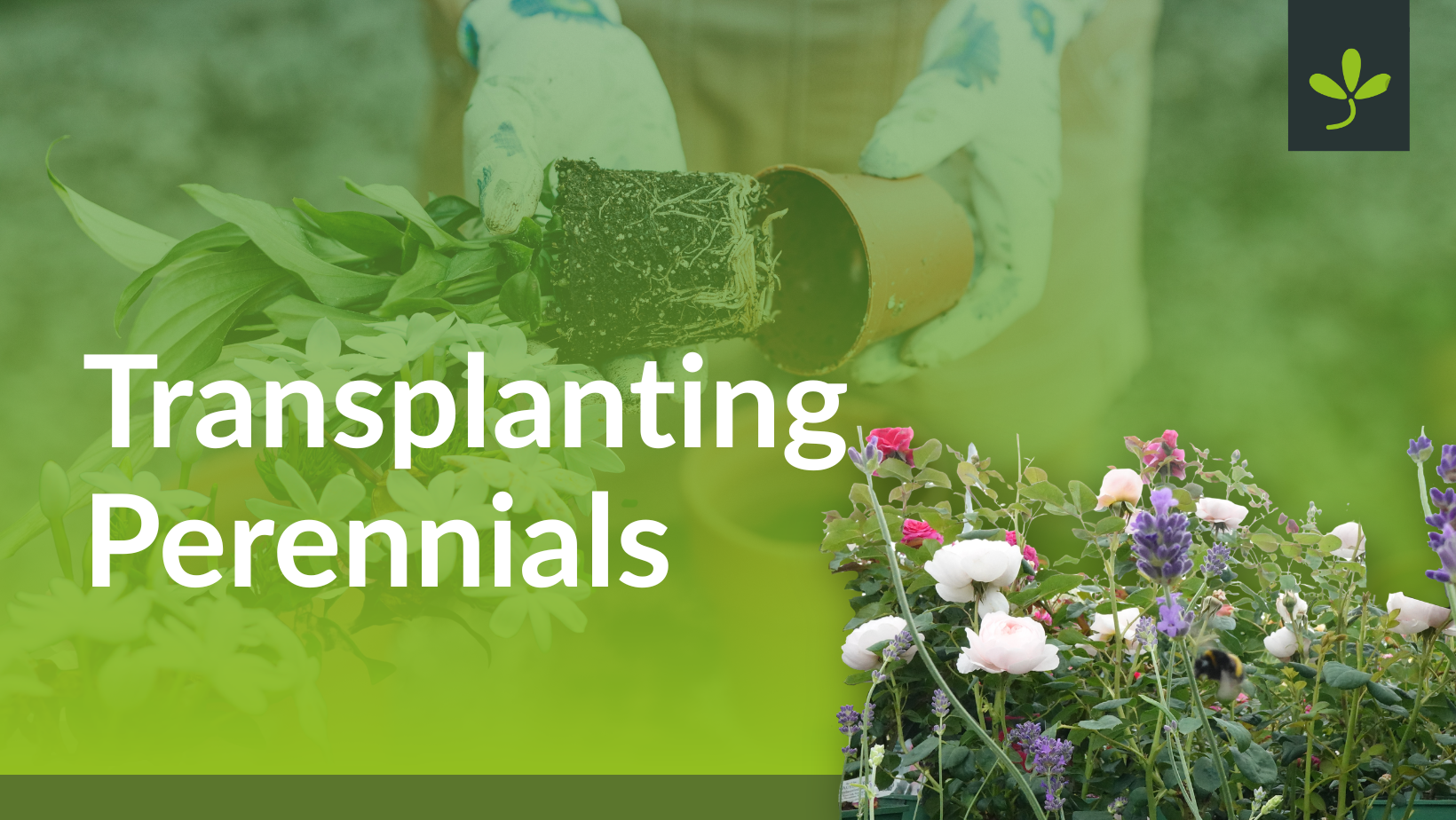
How to successfully transplant flowers and shrubs from pots into your garden
One of the greatest pleasures in gardening is watching a plant return year after year. Unlike annuals, which complete their life cycle in a single season, perennials reward gardeners with reliable growth, colourful displays and stronger performance as they become established.
Whether you have picked up a perennial from the garden centre or have been growing one in a container for a while, knowing how to plant it correctly can make the difference between a plant that simply survives and one that truly thrives.
As the celebrated gardener Beth Chatto once said,
"The right plant in the right place."
Those six words remain some of the best gardening advice ever given.
What Exactly Is a Perennial?
A perennial is a plant that lives for more than two years, returning each growing season from the same root system. While the flowers may disappear during autumn and winter, the roots remain alive beneath the soil, ready to produce fresh growth the following spring.
Popular perennial favourites include:
- Lavender
- Osteospermum
- Echinacea
- Salvia
- Rudbeckia
- Geranium
- Penstemon
- Delphinium
- Heuchera
- Hellebores
- Hydrangeas (woody perennials)
With the right care, many perennials can provide decades of enjoyment.
Why Move Plants Out of Pots?
Many gardeners buy plants in containers and leave them there for months, sometimes years.
While pots are ideal for displaying plants temporarily, most perennials are happier once planted into open ground where their roots have room to spread.
Moving plants into borders allows them to:
- Develop stronger root systems.
- Access more consistent moisture.
- Become more resilient during hot weather.
- Produce larger displays of flowers.
- Return stronger each year.
Think of the nursery pot as a temporary home rather than the final destination.
When Is the Best Time to Plant?
Perennials can be planted for much of the year, but the best results usually come when temperatures are mild and the soil remains workable.
Spring and autumn have traditionally been the preferred seasons, but modern container grown plants allow gardeners much more flexibility.
Even during summer, planting is perfectly possible provided new plants are watered regularly while establishing.
Warm soil encourages root growth, often allowing plants to settle surprisingly quickly.
Preparing the Ground
Before planting, spend a few extra minutes preparing the soil.
Remove weeds, break up compacted ground and mix in quality compost to improve both drainage and moisture retention.
Healthy soil gives young roots the best possible start.
If your soil is particularly heavy or sandy, adding organic matter makes an enormous difference over time.
How to Transplant Successfully
One of the most common mistakes is planting too quickly.
Follow these simple steps for the best results.
Water First
Water the plant while it is still in its pot. A moist root ball slides out more easily and experiences less stress during planting.
Dig the Right Size Hole
The planting hole should be roughly twice as wide as the root ball but no deeper.
Planting too deeply can reduce oxygen around the roots and slow establishment.
Loosen the Roots
If roots have begun circling around the pot, gently tease them apart with your fingers.
This encourages them to grow outwards into the surrounding soil rather than continuing to spiral.
Plant at the Same Depth
Position the plant so the top of the root ball sits level with the surrounding soil.
Burying the crown too deeply is one of the most common causes of poor growth.
Backfill and Firm Gently
Replace the soil around the roots and gently firm it by hand.
Avoid stamping heavily on the soil, as roots need small pockets of air as well as moisture.
Water Thoroughly
Give the plant a generous watering immediately after planting.
This settles the soil around the roots and removes air pockets.
The First Few Weeks Matter Most
Newly planted perennials spend much of their energy producing roots rather than flowers.
Regular watering during the first few weeks is essential, particularly during warm or windy weather.
Do not be concerned if flowering slows temporarily. Once established, most perennials quickly recover and often outperform plants left in containers.
Should You Feed Straight Away?
Good quality compost often provides enough nutrients initially.
Once fresh growth begins, applying a balanced fertiliser encourages healthy foliage and stronger flowering throughout the season.
Avoid overfeeding immediately after planting, as roots need time to establish before supporting vigorous new growth.
Mulching Makes a Difference
Applying a layer of mulch around newly planted perennials offers several benefits.
It helps retain moisture, suppresses weeds, protects roots from temperature extremes and gradually improves soil structure.
Keep mulch a few centimetres away from the stems to prevent excessive moisture building around the crown.
Common Mistakes to Avoid
Even experienced gardeners occasionally make these errors.
- Leaving plants in nursery pots for too long.
- Planting too deeply.
- Forgetting to water during the first few weeks.
- Planting into dry, compacted soil.
- Choosing the wrong location for the plant's light requirements.
Fortunately, all are easy to avoid with a little planning.
Give Your Garden Time
One of the most rewarding aspects of growing perennials is watching them improve year after year.
Many gardeners expect instant impact, but the old gardening saying still holds true:
"The first year they sleep, the second year they creep, the third year they leap."
Not every perennial follows this pattern exactly, but many spend their first season establishing roots before producing increasingly impressive displays in the years that follow.
Patience is often rewarded with healthier, stronger plants.
Find Your Next Favourite Perennial
Whether you are filling a new border, refreshing an established bed or finally giving a favourite potted plant a permanent home, planting perennials is one of the best long term investments you can make in your garden.
Visit us in store to explore our latest range of flowering perennials and hardy shrubs. Our team is always happy to recommend the right plant for the right place and offer advice on planting, aftercare and choosing varieties that will bring colour back to your garden year after year.