
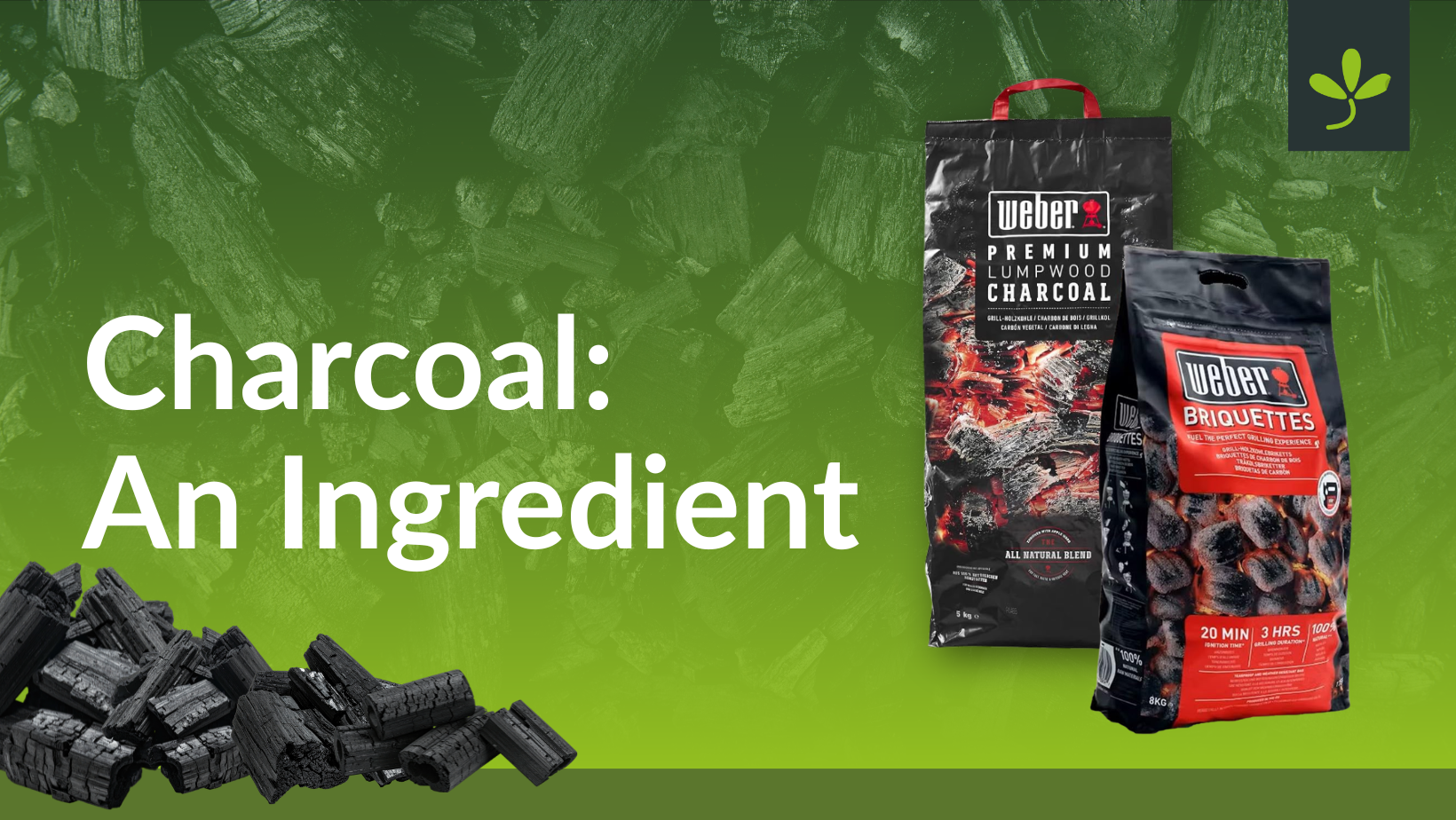
Charcoal Is an Ingredient, Not Just a Fuel
Why the charcoal you choose has a bigger impact on your barbecue than you might think
Most people spend time choosing the perfect steak, burgers or sausages, yet many overlook one of the most important ingredients in outdoor cooking. The charcoal itself.
Just as the quality of flour affects bread or coffee beans influence your morning cup, the charcoal you cook over directly impacts flavour, cooking performance and the overall barbecue experience. While supermarket "easy light" charcoal offers convenience, many barbecue enthusiasts and Weber chefs agree that the fuel beneath your food deserves just as much consideration as the food on top.
Whether you are new to charcoal cooking or looking to perfect your technique, understanding the differences between charcoal types can transform your barbecue.
Charcoal Is More Than Heat
One of the biggest misconceptions is that charcoal is simply there to create heat. In reality, it becomes part of the cooking process.
As meat cooks, fats and juices drip onto the hot coals. These instantly vaporise, creating aromatic smoke that rises back over the food. This is where much of charcoal barbecue's unmistakable flavour comes from.
If the charcoal contains chemical accelerants or artificial ignition agents, those compounds can contribute unwanted flavours during cooking. If the charcoal is made from natural materials, the smoke remains clean, allowing the food itself to shine.
This is why many professional barbecue chefs describe charcoal as another ingredient in the recipe.
Easy Light Charcoal Versus Quality Briquettes
Walk into almost any supermarket during summer and you'll find bags of quick lighting charcoal promising to be ready in minutes.
While convenient, there are important differences between these products and premium barbecue fuels. While easy light supermarket charcoal is designed for convenience, it achieves this by using petroleum based lighting agents mixed with the charcoal, allowing it to be ready in around 10 to 15 minutes without the need for firelighters or a chimney starter. Weber Briquettes, on the other hand, are made from 100% natural wood waste, starch and water, requiring around 20 minutes to reach cooking temperature when used with a chimney starter. Although they take a little longer to ignite, the difference is noticeable once cooking begins. Weber Briquettes produce a clean, natural wood smoke without the risk of chemical taints affecting the flavour of your food. They also burn far longer, providing a steady heat for up to three hours, compared to the one to one and a half hours often achieved with many supermarket quick light charcoals. Another significant advantage is the amount of ash produced. Easy light charcoal can leave behind large amounts of ash, restricting airflow and making temperature control more difficult, whereas Weber Briquettes produce very little ash, helping maintain consistent heat throughout your cook.
Those extra few minutes waiting for natural charcoal to reach cooking temperature are often rewarded with a much longer cooking session and noticeably better flavour.
Why Consistency Matters
One of the frustrations with inexpensive charcoal is inconsistency.
A typical budget bag often contains a mixture of oversized chunks, tiny fragments and charcoal dust. Large pieces take longer to ignite, while small fragments burn away rapidly. The result is uneven temperatures across your cooking grate.
Quality briquettes are manufactured to a consistent size and density. This means they ignite evenly, distribute heat more predictably and allow far greater temperature control throughout the cook.
For anyone attempting whole chickens, joints of meat or slow cooked barbecue, consistency is one of the biggest advantages.
Burn Time Makes the Difference
Many supermarket charcoals burn hot initially before quickly fading. This often leads to adding extra charcoal halfway through cooking, interrupting temperature stability and extending cooking times.
Weber Briquettes are compressed under high pressure, creating a dense fuel that burns steadily for up to three hours.
For longer cooks such as pulled pork, brisket or roasting a whole chicken, maintaining stable temperatures is essential. A longer burn also means less waste and fewer interruptions once cooking has begun.
Lumpwood Charcoal Has Its Place Too
While briquettes are known for consistency, natural lumpwood charcoal remains a favourite among many experienced barbecue enthusiasts.
Because it is made from real pieces of hardwood, lumpwood lights quickly and reaches higher temperatures, making it ideal for:
Steaks
Burgers
Kebabs
Thin cuts of meat
Vegetables
Quick weeknight barbecues
Its lively fire and natural aroma make it particularly well suited to fast, high heat cooking.
Many experienced cooks actually keep both products available, choosing lumpwood for quick grilling and briquettes for longer, slower cooking.
Tips from Weber Barbecue Experts
Weber chefs consistently recommend focusing on fire management rather than simply adding more charcoal.
Some of their most trusted techniques include:
Preheat properly
Wait until the charcoal is fully lit before cooking. Rushing this stage often produces unwanted smoke and inconsistent temperatures.
Cook with the lid closed
One of the biggest differences between charcoal grilling and traditional barbecues is using the lid. Closing the lid turns your barbecue into an outdoor oven, circulating heat evenly while locking in moisture and flavour.
Use two cooking zones
Arrange charcoal on one side of the barbecue only. This creates a direct heat zone for searing and an indirect zone for slower cooking, giving far greater control.
Control the air, not the fire
Rather than constantly moving charcoal around, adjust the barbecue vents. Oxygen controls temperature, allowing you to cook low and slow or hot and fast with precision.
Resist turning food constantly
Professional chefs often leave meat undisturbed, allowing proper caramelisation before turning. Less movement usually produces better flavour and appearance.
Is Easy Light Charcoal Ever the Right Choice?
For occasional users who simply want to cook a few burgers quickly, easy light charcoal certainly offers convenience.
However, if flavour, consistency and cooking control matter, many barbecue enthusiasts eventually move towards natural lumpwood charcoal or premium briquettes.
The difference is often noticeable from the very first cook.
Better Fuel Creates Better Food
Gardeners often invest in quality compost because healthy plants begin with healthy soil. Barbecuing follows much the same principle.
Great food starts with great fuel.
Whether you choose natural lumpwood charcoal for fast, intense grilling or Weber Briquettes for long, controlled cooking, using quality charcoal allows your ingredients to speak for themselves without unwanted chemical flavours or inconsistent heat.
If you are planning your next barbecue, visit us in store to explore our range of Weber Briquettes, natural lumpwood charcoal and Weber accessories. Our team can help you choose the right fuel for the way you love to cook, because the best barbecues always begin long before the food reaches the grill.