
Choosing the Right Compost for Your Garden
Understanding peat free, traditional blends and how to get the best results
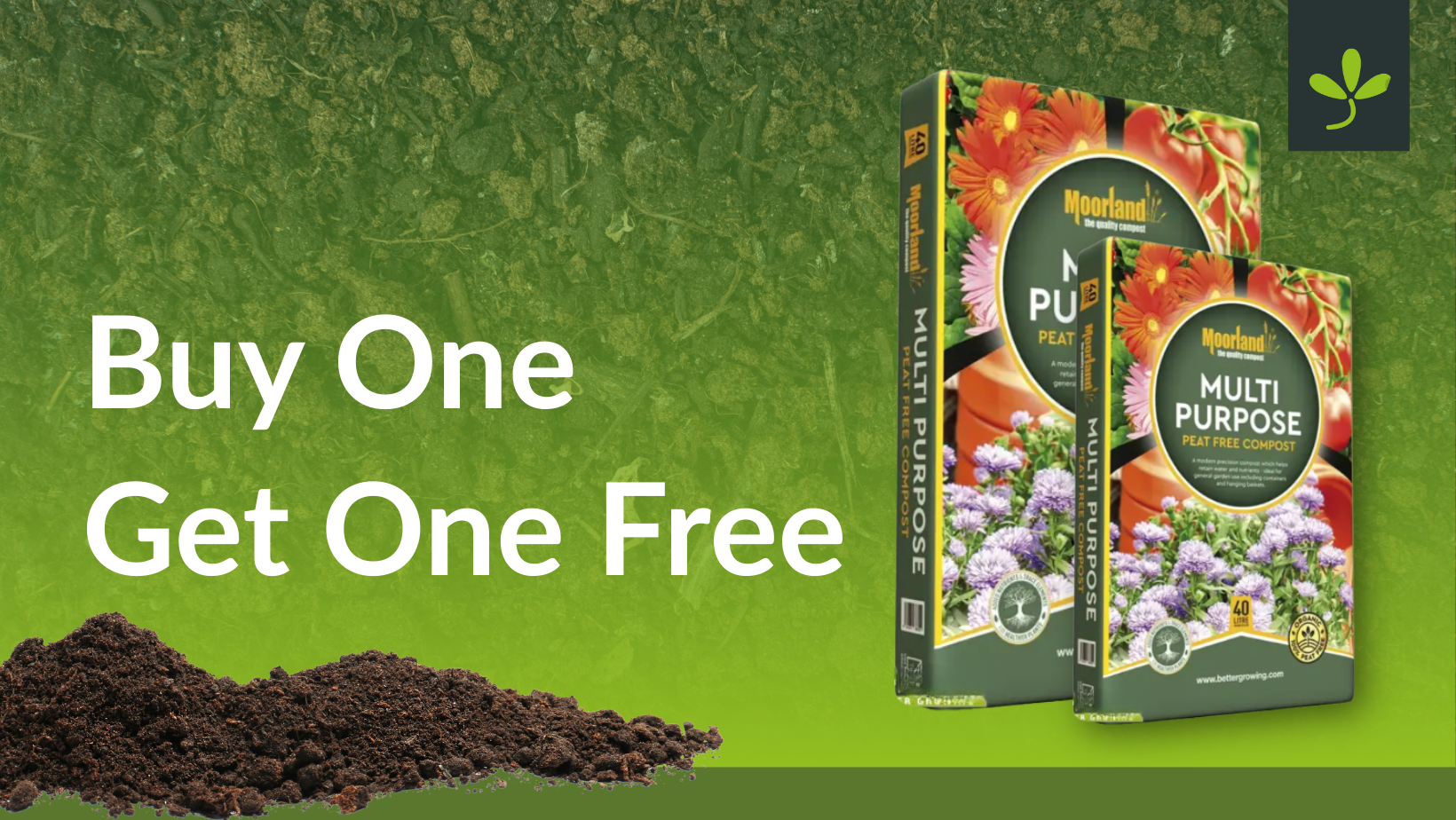
Our current in store offer on Moorland Multi purpose Compost 40 Litre PEAT FREE makes this an excellent time to review what compost you are using in your garden. At just £6.99 per bag, with buy one get one free, at Chacewater and Goonhavern Garden Centre, this store only deal represents strong value for gardeners preparing for spring planting. The offer is available while stocks last, with a maximum of 20 bags per person. Whether you are filling raised beds, refreshing containers or sowing seeds, compost is the foundation of healthy growth.
Compost choice influences root development, moisture retention and overall plant health. Understanding the differences between peat and peat free compost allows you to make informed decisions for your own garden conditions.
Why Compost Matters More Than Many Realise
Compost is more than simply a growing medium. It anchors roots, stores moisture, supplies nutrients and supports beneficial microbial life. Good compost improves structure in containers and raised beds, helping plants establish quickly and grow steadily.
Poor quality compost, by contrast, can lead to inconsistent watering, weak root systems and nutrient deficiencies. Choosing carefully at the start of the season often determines success later.
Peat Based Compost: The Traditional Option
Peat based compost has been widely used for decades. Gardeners value it for its consistency, moisture retention and ease of use. It is lightweight, reliable and historically produced predictable results for seed sowing and container planting.
Peat is formed over thousands of years in bog environments. Its structure allows it to hold water while maintaining air pockets around roots, which is why it became such a popular choice in horticulture.
However, peat extraction raises environmental concerns. Peatlands act as important carbon stores and wildlife habitats. Once removed, peat takes many years to regenerate. For this reason, the gardening industry has increasingly shifted towards alternative materials.
Peat Free Compost: The Modern Development
Peat free composts are now widely available and continue to improve in performance. Typically made from materials such as composted bark, coir, green waste or wood fibre, peat free blends aim to replicate the structure and moisture balance gardeners expect.
Early peat free composts received criticism for inconsistency or rapid drying. Modern formulations have improved significantly, with many gardeners reporting strong root growth and reliable performance when watering is managed carefully.
Peat free compost may require slightly more attention to watering, as some blends drain faster than traditional peat based products. Monitoring moisture levels closely, especially in containers, usually resolves this.
Performance Differences in Practice
The debate between peat and peat free compost is ongoing. Rather than presenting a single answer, it is helpful to consider practical experience.
Peat based compost:
-
Holds moisture well
-
Offers consistent texture
-
Has a long track record of use
Peat free compost:
-
Supports more sustainable gardening
-
Encourages strong root systems when managed correctly
-
Has improved greatly in recent years
Many gardeners find success with both, adapting watering routines and feeding schedules according to the compost used.
Tips for Getting the Best from Any Compost
Regardless of compost type, a few principles apply:
-
Store bags in a dry place to prevent nutrient leaching
-
Break up compacted compost before use
-
Water thoroughly after planting
-
Feed plants appropriately once nutrients in the compost are used
For containers, avoid over compressing compost, as roots require airflow as well as moisture.
Experienced gardeners often adjust compost choice depending on use. Seed sowing, hanging baskets and large containers may each benefit from slightly different blends.
Environmental Considerations
Peatlands store significant amounts of carbon and support rare wildlife. Many gardeners are increasingly conscious of their environmental footprint and choose peat free compost for this reason.
Others balance environmental considerations with practical needs, particularly when growing demanding crops or large volumes of plants.
The shift towards peat free products reflects broader changes within gardening. As formulations continue to improve, many gardeners find peat free compost performs well with attentive care.
Finding What Works in Your Garden
Ultimately, compost performance can vary depending on plant type, watering habits and local conditions. Trial and observation remain valuable tools.
Our current offer on Moorland Multi purpose Compost 40 Litre PEAT FREE provides an opportunity to try peat free compost at excellent value. At £6.99 per bag, with buy one get one free, it is well suited to preparing beds, filling containers and refreshing tired soil as the growing season approaches.
Compost is the foundation of every successful garden. Whether you favour traditional peat based blends or modern peat free alternatives, understanding how each behaves allows you to garden with confidence and consistency.