
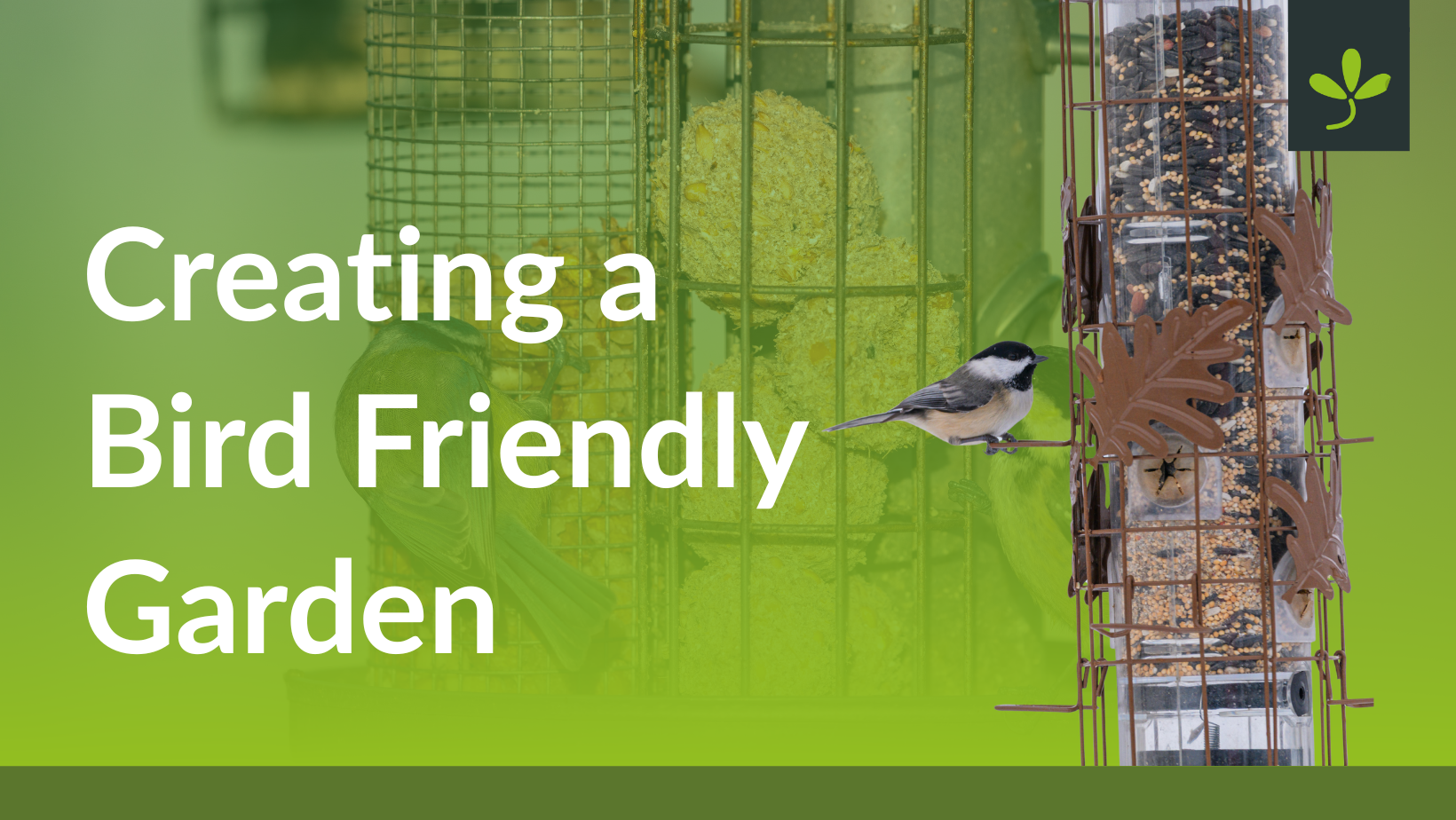
Creating a Bird Friendly Garden
How thoughtful care and the right bird houses support wildlife year round
A garden that welcomes birds is a healthier, more balanced space. Birds play a vital role in natural pest control, pollination and seed dispersal, while also bringing movement, sound and life into the garden throughout the year. With a few considered choices and the right bird housing, gardeners can support everything from small songbirds to larger nesting species.
This guide offers practical advice for beginners alongside deeper insight for more experienced gardeners, helping you create a garden birds return to season after season.
Why Birds Matter in the Garden
Birds contribute far more than enjoyment. Many species feed on insects and larvae that would otherwise damage plants, while others help maintain ecological balance across gardens and green spaces.
A well known gardening-saying notes that a garden without birds is rarely a healthy one. When birds thrive, it is often a sign that the wider garden environment is working as it should.
Fun fact
A single blue tit family can consume thousands of caterpillars during nesting season, making them one of the gardener’s most effective natural allies.
Understanding Different Bird Needs
Not all birds require the same conditions. Some prefer open feeders and shallow nesting spaces, while others need enclosed houses with specific entrance sizes for safety.
Small birds such as blue tits, great tits and sparrows benefit from compact bird houses with smaller entrance holes that protect them from predators. Medium sized birds such as robins and wagtails prefer open fronted designs, while larger species like starlings require more spacious housing.
Offering a range of bird houses encourages greater biodiversity and increases the likelihood of nesting success.
Choosing the Right Bird House
Bird houses should be designed with the bird’s natural behaviour in mind. Size, entrance hole diameter, internal depth and ventilation all matter.
Well built wooden bird houses provide insulation during colder months and stay cooler in summer. Drainage holes help keep nests dry, while removable panels make cleaning easier at the end of the season.
Placing bird houses at different heights and positions across the garden reduces competition and helps birds feel secure.
Positioning for Best Results
Correct placement is just as important as the bird house itself. Position houses away from strong prevailing winds and direct midday sun. A sheltered location near shrubs or trees gives birds quick access to cover.
Avoid placing houses too close together, particularly for territorial species. Spacing improves nesting success and reduces stress during breeding season.
Experienced gardeners often observe bird behaviour over time and adjust placement to suit returning species.
Feeding Birds Responsibly
Supplementary feeding supports birds during colder months and breeding season. Use feeders suited to different food types such as seed, suet or mealworms, and clean them regularly to prevent disease.
Water is just as important as food. A shallow bird bath provides drinking and bathing opportunities, particularly during dry or frozen conditions.
Consistency matters. Once you begin feeding, try to maintain a routine, especially during winter when natural food sources are scarce.
Seasonal Care and Long Term Support
Bird care changes throughout the year. Spring and summer focus on nesting support and insect rich food sources. Autumn is a time to provide high energy foods, while winter requires shelter, clean feeding areas and unfrozen water.
After nesting season, bird houses should be cleaned to remove old nesting material and parasites. This simple task improves health outcomes for the following year.
More experienced gardeners may also plant native shrubs and hedging, creating natural shelter and food sources that complement bird houses.
Creating a Garden Birds Trust
Birds return to gardens that offer safety, consistency and thoughtful care. Providing suitable bird houses for different sized birds, reliable food sources and quiet nesting areas builds that trust over time.
Many gardeners find that once birds settle in, they become regular visitors, raising young year after year and contributing to the overall wellbeing of the garden.
A Garden That Gives Back
Caring for birds is one of the most rewarding aspects of gardening. With the right bird houses, careful placement and seasonal care, your garden becomes more than a growing space. It becomes a refuge.
Whether you are introducing your first bird house or expanding an established wildlife area, supporting birds is an investment that pays back in beauty, balance and life throughout the year.